
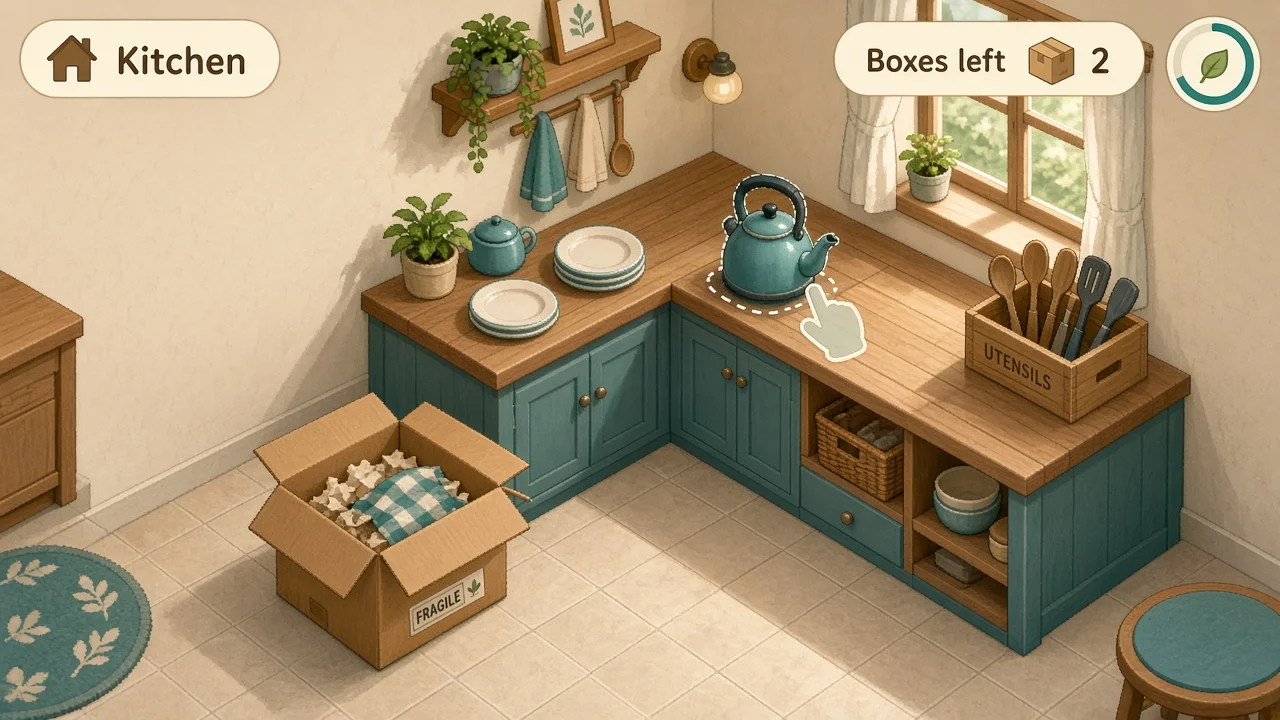
Item clusters
Group cooking tools, desk tools, and bedtime stacks so each zone reads as one clear habit.
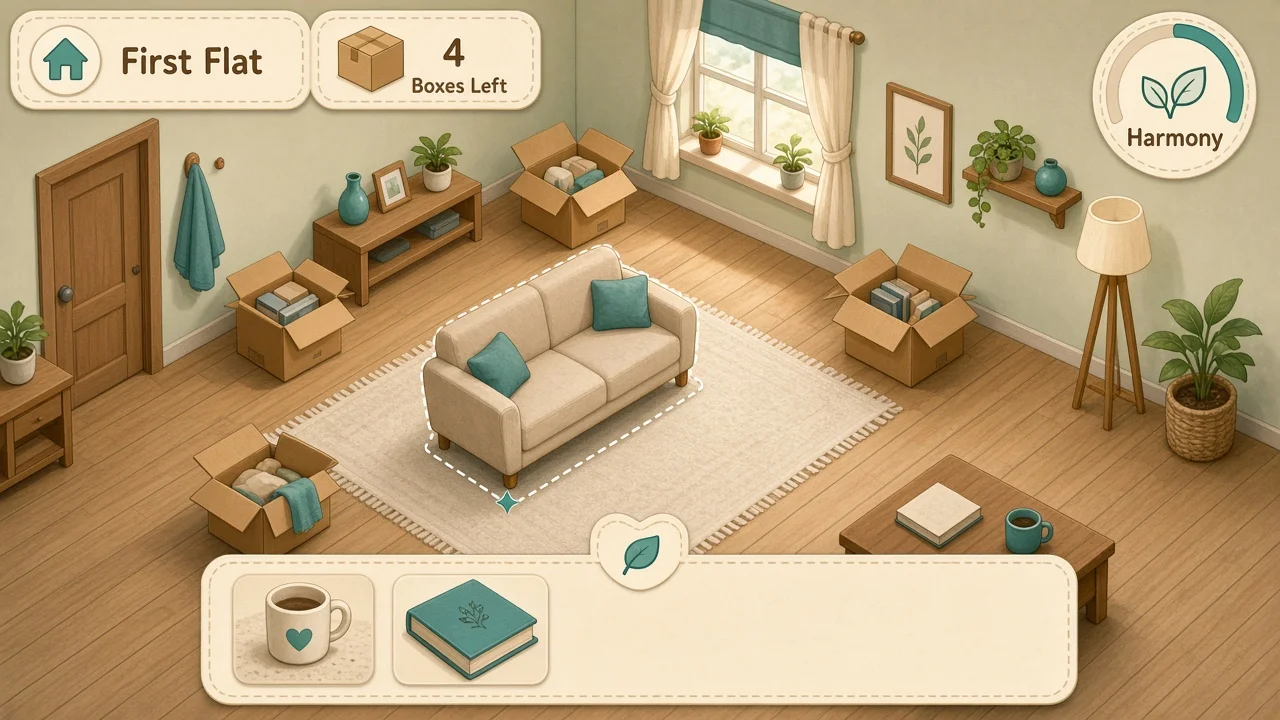
Independent fan guide for Boxroom Stories
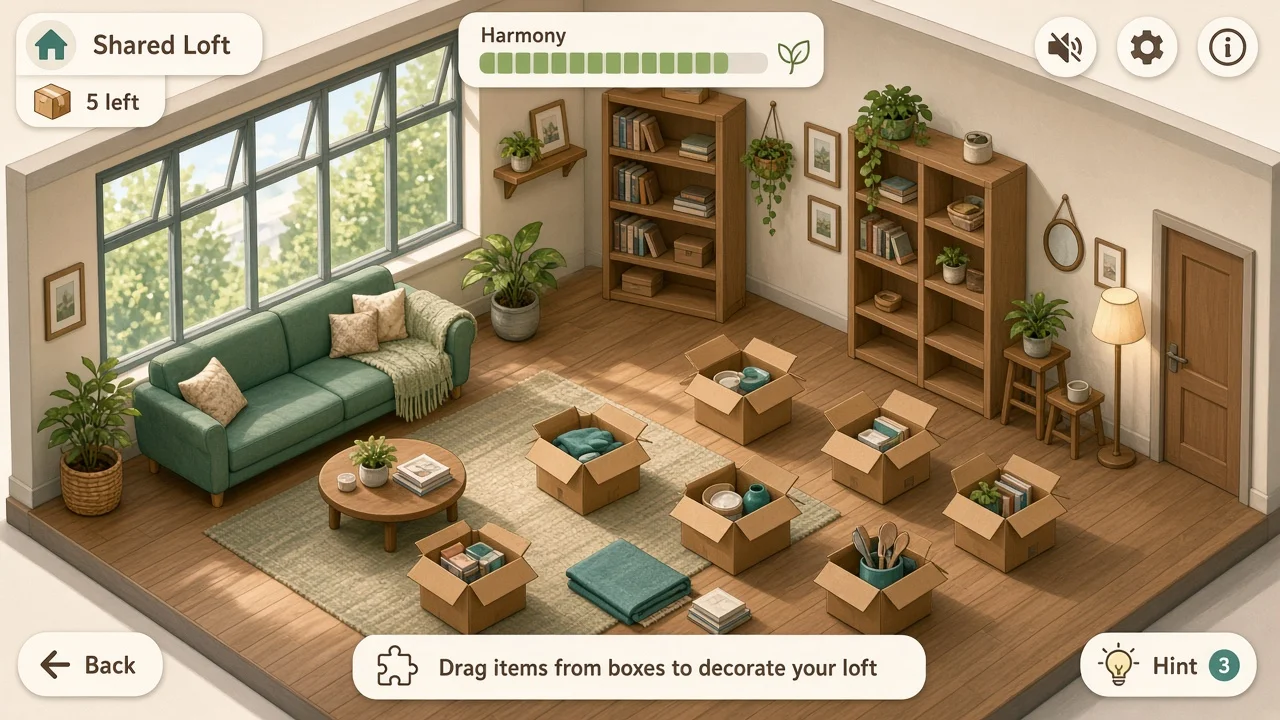
Boxroom Stories explores a relaxing arrangement puzzle: open each carton, find a calm spot for every object, and notice how rooms begin to feel lived-in.
Guide paths
Group cooking tools, desk tools, and bedtime stacks so each zone reads as one clear habit.
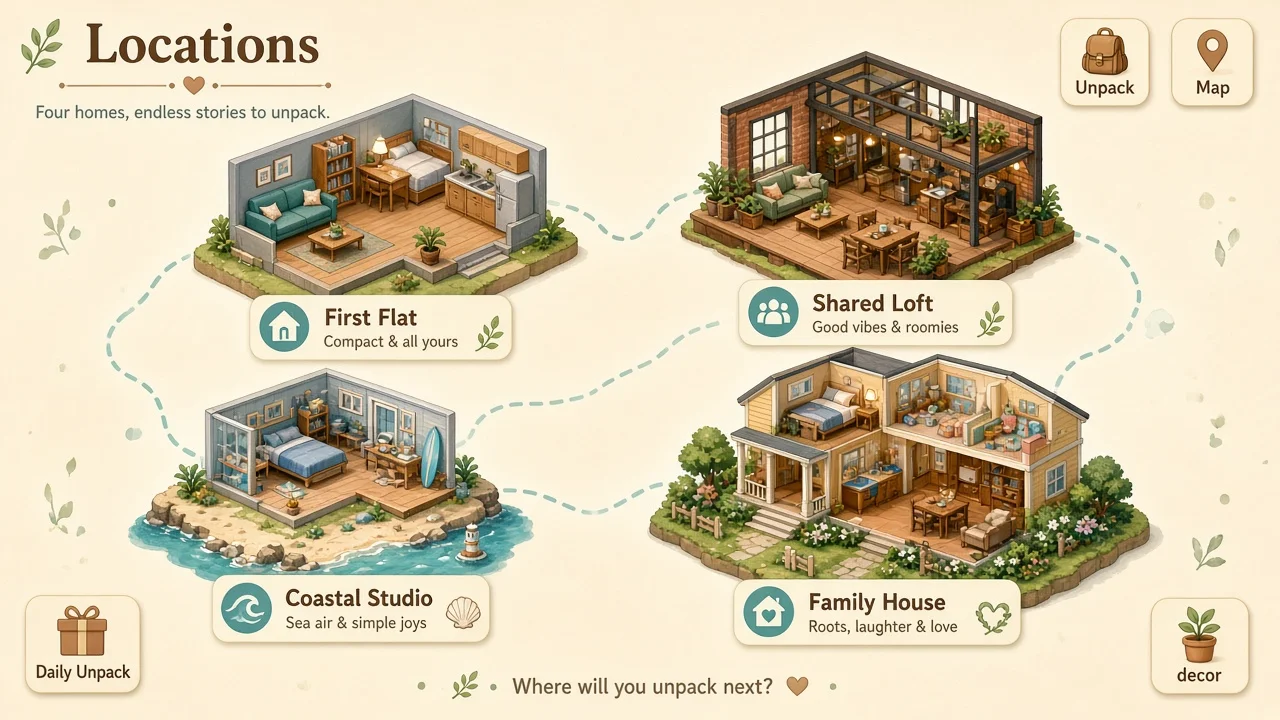
First Flat, Shared Loft, Coastal Studio, and Family House each change shelf height, light, and box order.
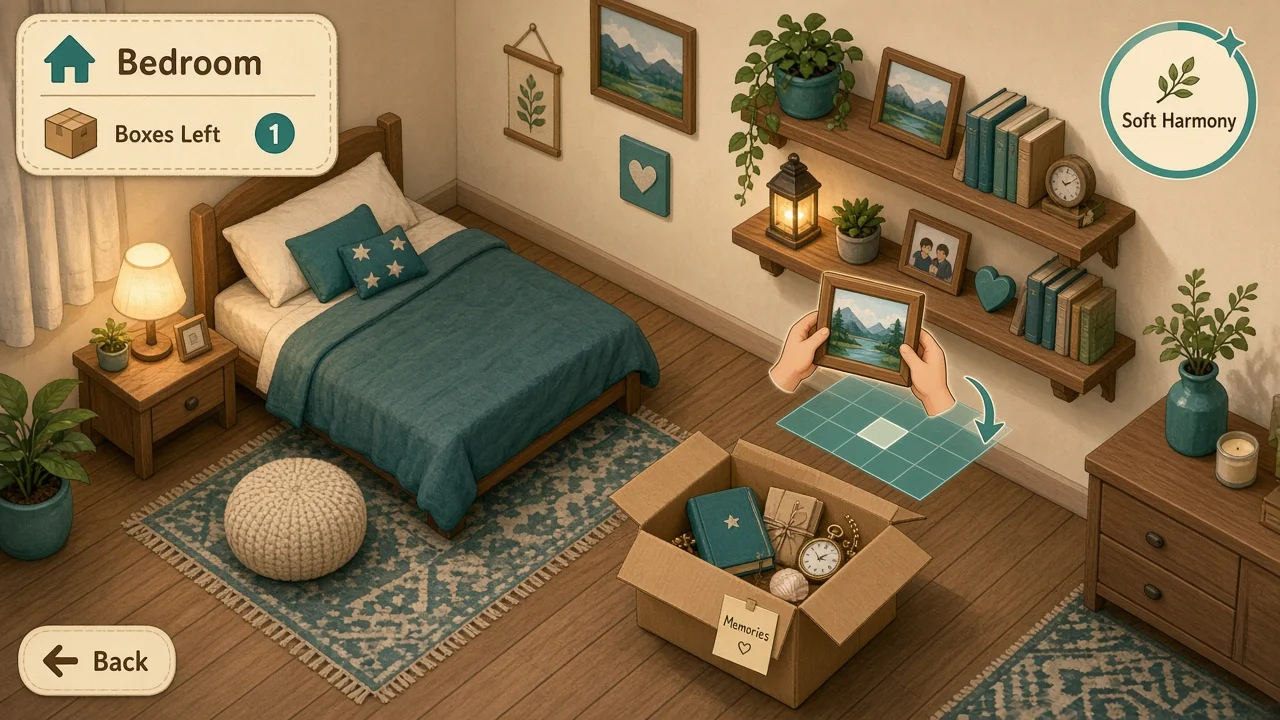
Photos, ticket stubs, and odd souvenirs hint at who lived here before the last box closes.
Place large furniture first, then daily tools, then keepsakes so walking paths stay open while the room gains personality.
Soft cues react when items clash by use or color. A tidy kitchen can still feel unfinished if bedtime books sit on the stove.
Each note flags common stalls: stuffing every shelf, ignoring power sockets, or hiding story items behind closed cupboard doors.
The
Boxroom
way
Placement-first instead of speed-first
Boxroom Stories treats unpacking as a full living loop. We look at furniture anchors, daily-use zones, memory clusters, and how cleanly you can close a chapter once the last carton is empty.
That makes the notes useful for first apartments, shared lofts, and anyone rebuilding a calm layout after a long move.
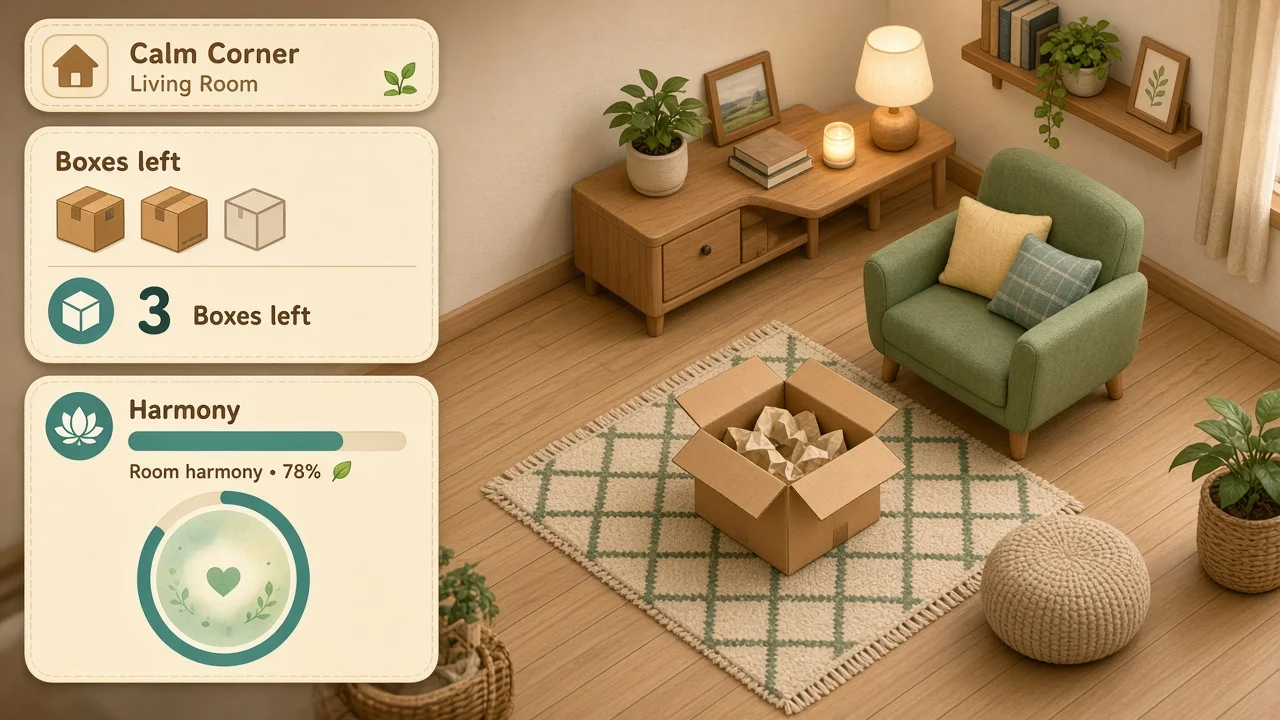
Check open floor space before the next decorative pile wins you over.
Common placement note
Latest journal notes
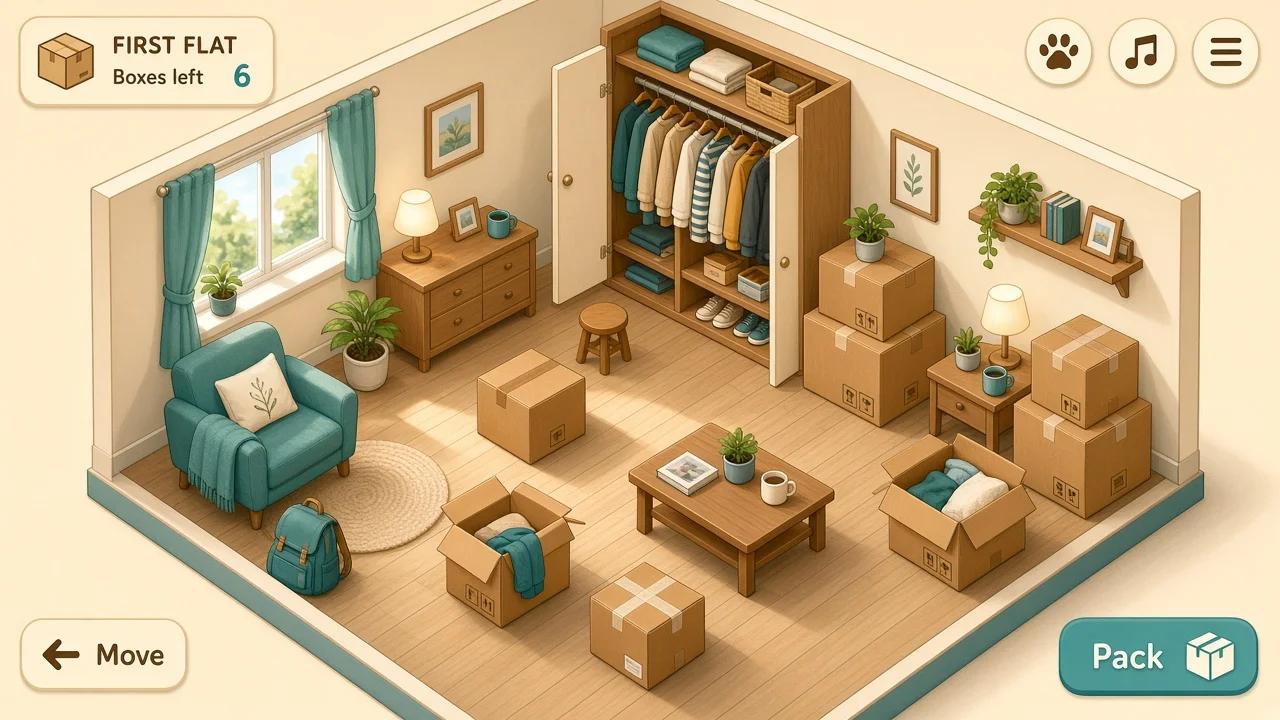
What changes when shelves multiply, when a roommate claims a corner, and when light becomes the real bottleneck.
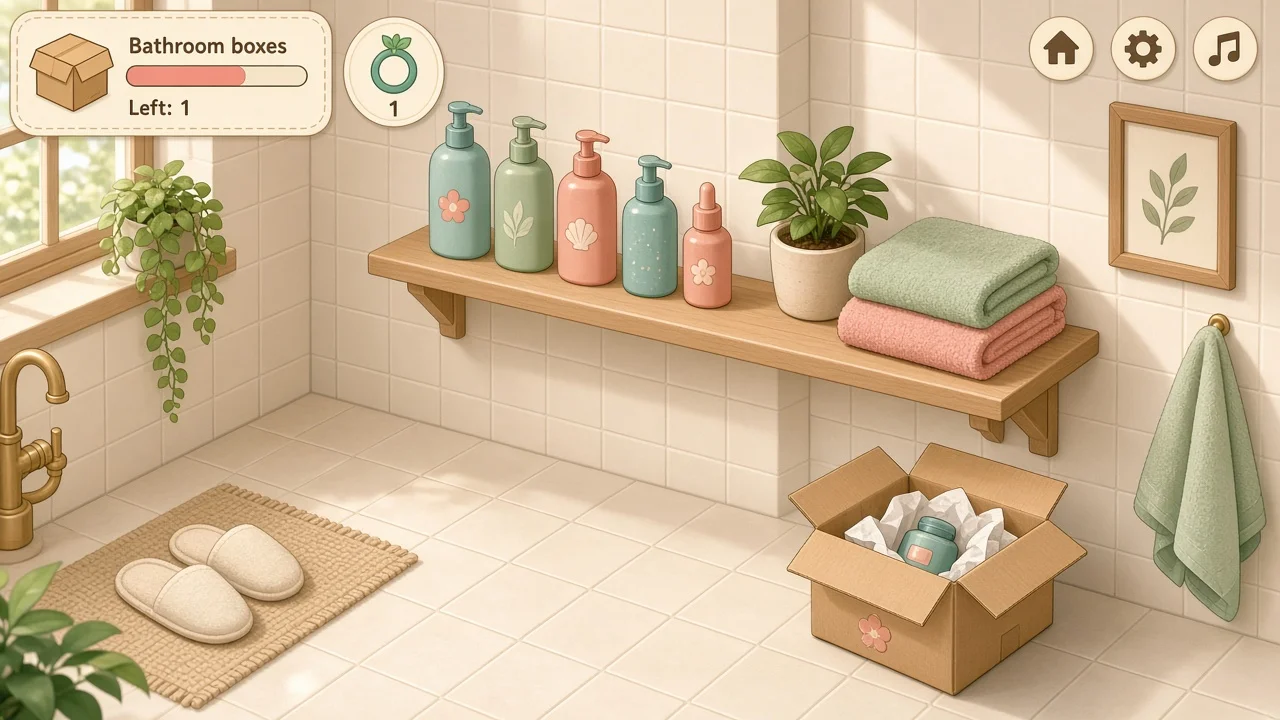
Match tones too early and the room feels staged; ignore them and everyday tools start to visually shout.
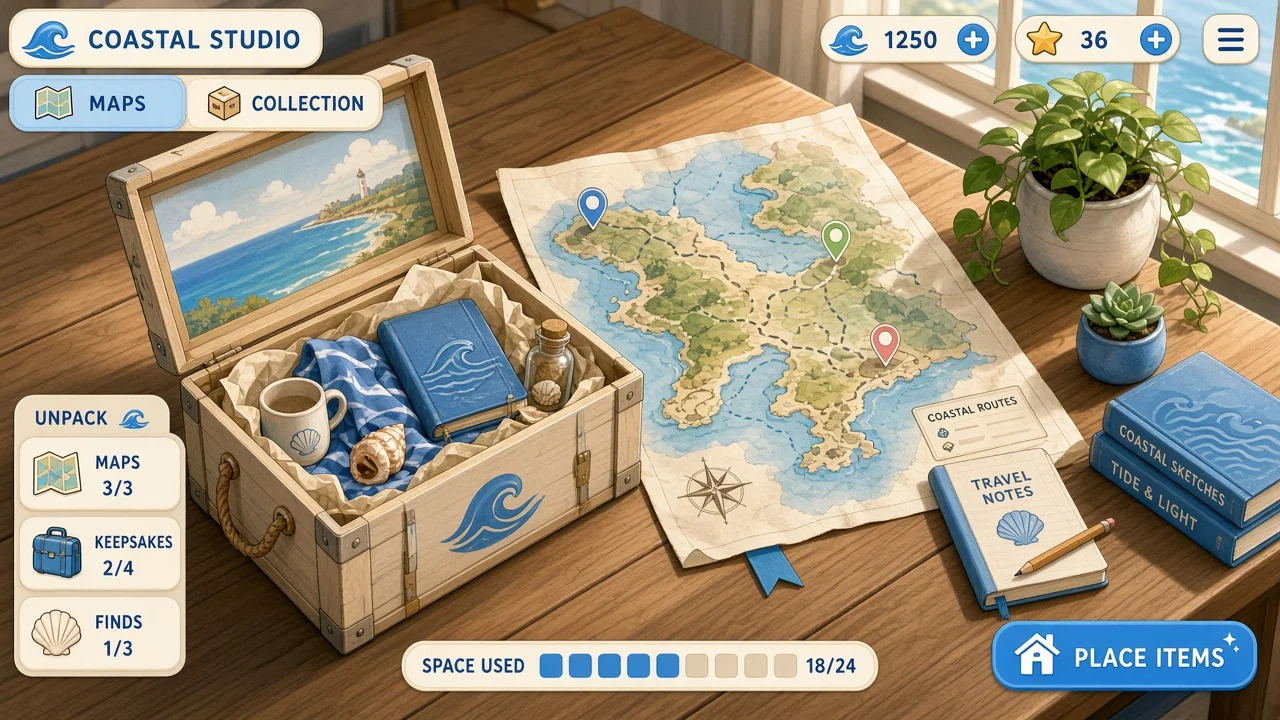
Coastal light, loft height, and family-house closets change which clusters still feel natural.
placement checks
A layout can look tidy on the floor plan and still stall after one crowded shelf. These checks keep the guide grounded.
Kitchen, desk, and bedtime groups are weighed before you lock every small object onto the nearest free edge.
Socket access, drawer height, and walk paths are noted before promising a denser decorative layout.
Furniture crates, daily tools, and memory boxes are separated so story items do not disappear under unfinished floors.
These notes check whether the next chapter still feels calm once closets, windows, and leftover cartons are clearer.